Grasses are a versatile and essential part of many landscapes, offering a range of benefits from erosion control to aesthetic appeal. With numerous species to choose from, grasses can be used in various settings, from residential lawns to commercial landscapes. Whether you're looking to create a natural, rustic look or a more modern, manicured appearance, there's a type of grass that can suit your needs. In this article, we'll delve into the world of grasses, exploring their uses, types, and maintenance requirements.
Understanding the Different Types of Grasses
There are many types of grasses, each with its unique characteristics, growth habits, and maintenance needs. Some of the most common types of grasses include ornamental grasses, native grasses, and turf grasses. Ornamental grasses are often used for decorative purposes, adding texture, color, and movement to landscapes. Native grasses, on the other hand, are well-suited to local climates and soil conditions, requiring less maintenance and care. Turf grasses, such as those used for lawns, are often a mix of different species, bred for their durability and resistance to wear and tear.

Using Grasses in Landscaping and Decoration
Grasses can be used in a variety of ways to enhance the beauty and functionality of a landscape. Ornamental grasses, for example, can be used as a focal point in a garden or as a border plant. They can also be used to create a natural, rustic look, or to add movement and texture to a landscape. Decorative grasses, such as those used in floral arrangements, can add a touch of elegance and sophistication to indoor spaces. When using grasses in landscaping and decoration, it's essential to consider factors such as climate, soil type, and maintenance requirements to ensure the best results.

Maintenance and Care of Grasses
Maintenance and care of grasses vary depending on the type and intended use. Ornamental grasses, for example, typically require less maintenance than turf grasses, as they are often more drought-tolerant and resistant to pests and diseases. However, they may still require regular pruning and fertilization to maintain their appearance and health. Turf grasses, on the other hand, require regular mowing, watering, and fertilization to maintain their appearance and health. It's essential to consider the maintenance requirements of different types of grasses when selecting them for landscaping or decorative purposes.
Conclusion
In conclusion, grasses are a versatile and essential part of many landscapes, offering a range of benefits from erosion control to aesthetic appeal. By understanding the different types of grasses, their uses, and maintenance requirements, individuals can make informed decisions when selecting grasses for landscaping and decorative purposes. Whether you're looking to create a natural, rustic look or a more modern, manicured appearance, there's a type of grass that can suit your needs. With proper care and maintenance, grasses can thrive, adding beauty, texture, and movement to landscapes for years to come.
26 Best Ornamental Grasses For Low Maintenance Yards
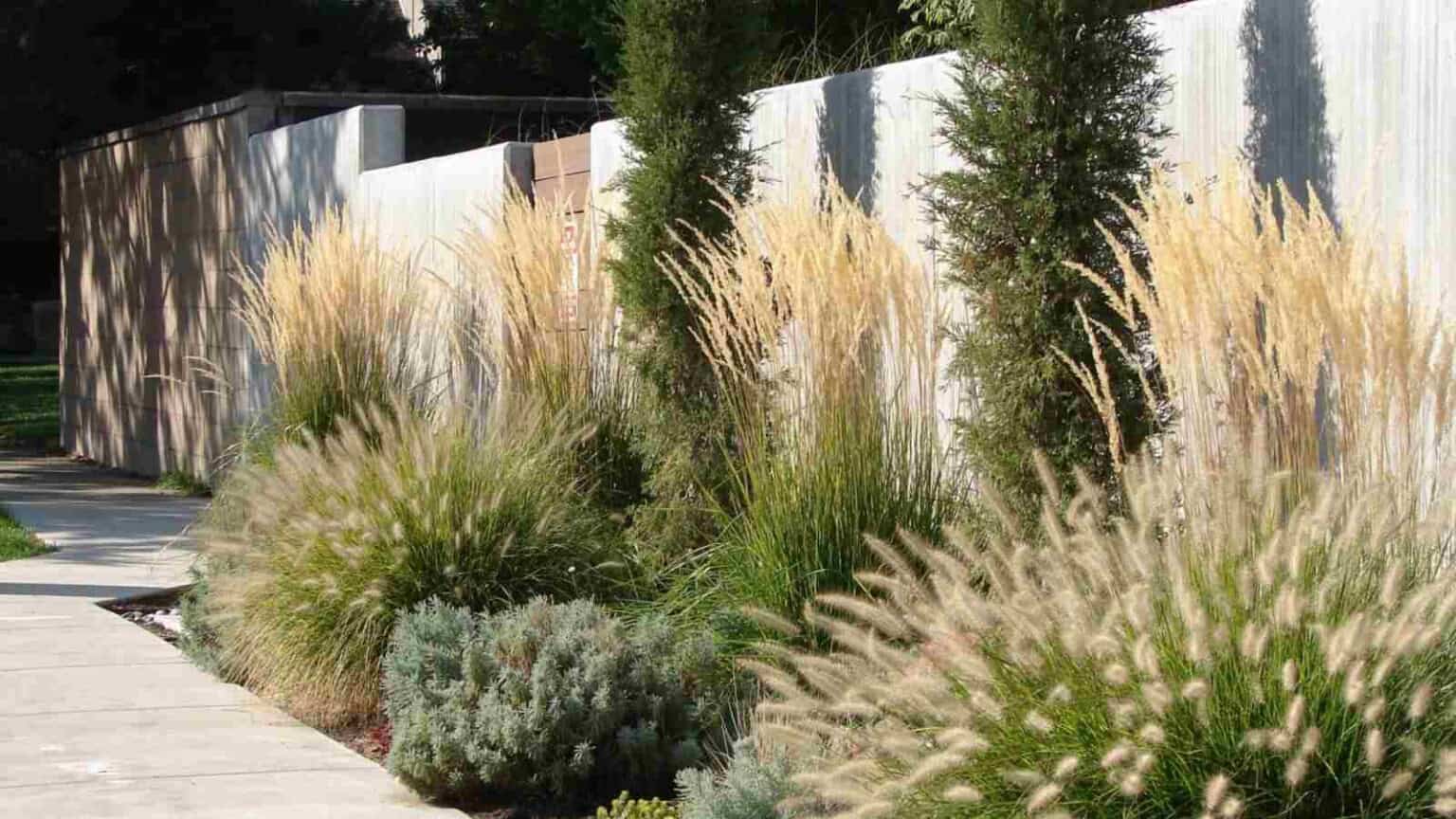
26 Best Ornamental Grasses for Low Maintenance Yards
Ornamental Grasses - Salisbury Greenhouse - Blog
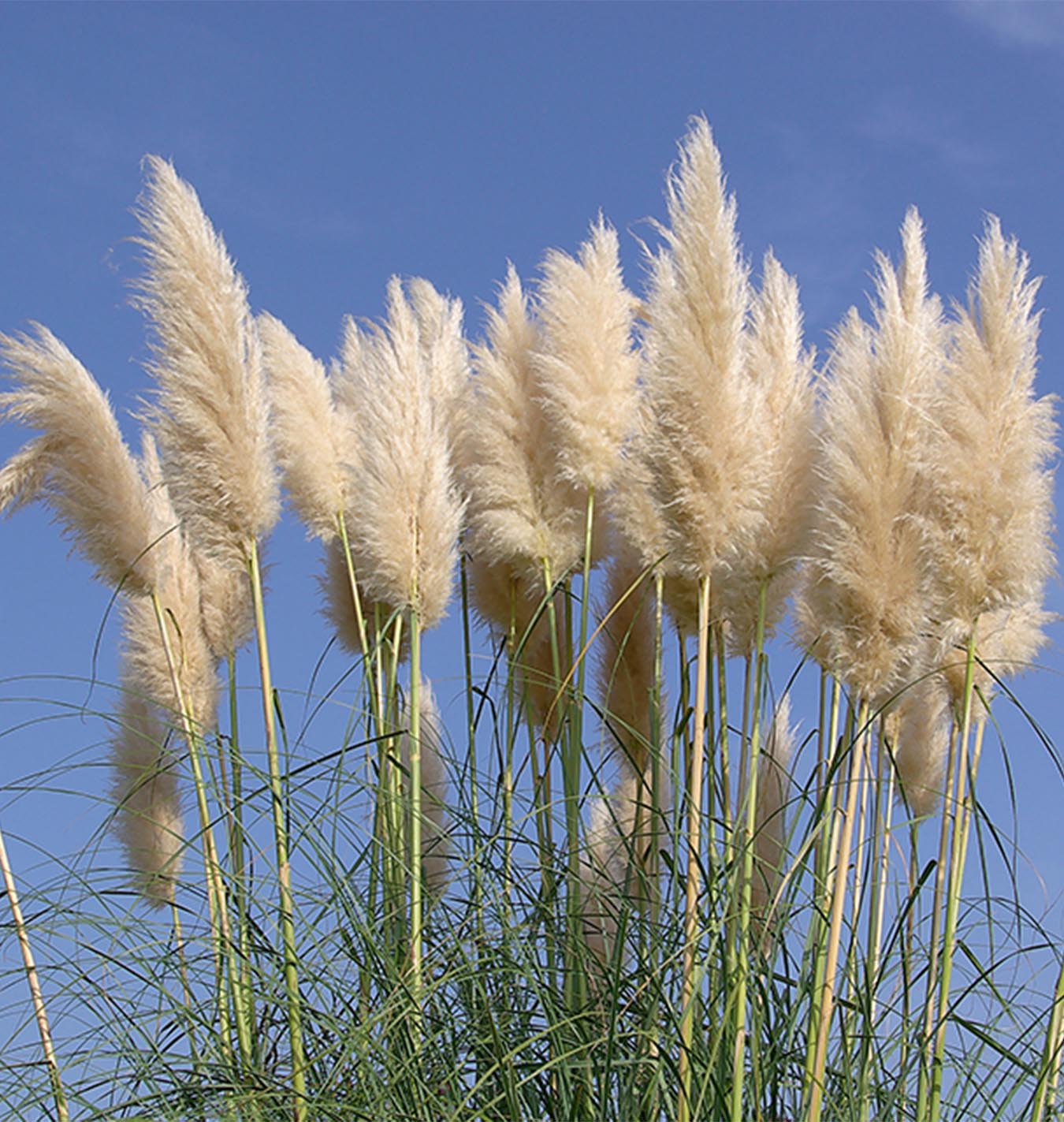
Ornamental Grasses - Salisbury Greenhouse - Blog
Explore Ornamental Grasses For Stunning Landscapes

Explore Ornamental Grasses for Stunning Landscapes